Talk to us +44(0)1733 391377

Home Knowledge Hub Blogs & Insights Employee Wellbeing Employee Wellbeing is a Business Decision. So why are we still treating it like a perk?

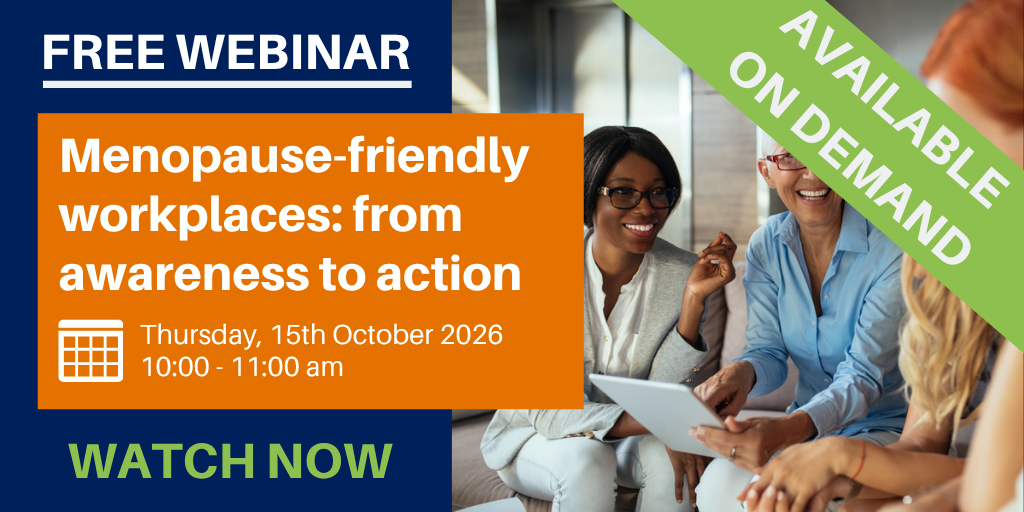
What does it take to create a workplace where people can perform at their best at every stage of life? That was a key question explored in our latest webinar, ‘Menopause-Friendly Workplaces: From Awareness to Action’, featuring Traci Lewis, founder of Sustain Life and menopause coach, trainer and consultant.

Menopause can affect employees’ health, confidence and performance, requiring practical adjustments, informed managers and an open, supportive culture. It also reinforces wider point: employee wellbeing isn’t simply a benefit or a box to tick. It’s a strategic business decision.

That message is increasingly difficult for employers to ignore.

Everyday impact

The real question for HR is whether the support on offer is making a meaningful difference to people's everyday working lives. Businesses are spending money on wellbeing, but too often they haven't stopped to work out what problem they're trying to solve. That can be a expensive mistake.

As our recent webinar on menopause awareness in the workplace highlighted, it can also mean missing opportunities to support employees, retain valuable experience and build a more inclusive working environment.

The cost of getting it wrong

When someone leaves a business, the cost is rarely limited to recruiting their replacement. There's the time spent finding and training someone new, the knowledge that walks out of the door, the pressure placed on colleagues and the disruption to the team. In the meantime, productivity can suffer.

Then there are the people who stay but have mentally checked out. They turn up. They do what's required.

Understanding what's affecting employees before problems escalate can help organisations reduce avoidable absence, retain experienced people and give employees a better chance of doing their jobs well.

Menopause is a particularly important example. During the webinar, Traci highlighted how symptoms can affect confidence, concentration, energy and work performance. Without understanding what's happening, employers risk misinterpreting the problem and losing people whose experience is difficult to replace.

Not every initiative will deliver a financial return. Some won't. Others may be popular but have little effect on the issues the organisation is trying to address. The challenge is to understand what your people need and invest accordingly.

Start by listening to your people

Don't guess what your people need. The answers lie with your employees. You might find that financial worries are affecting concentration. You might discover that people need better access to mental health support, more flexibility or practical help managing a health condition. You may even find that existing benefits aren't reaching the people who need them most.

Start by looking at what's happening in the business. What do your absence figures tell you? Why are people leaving? What are employees saying? Are particular teams finding things aren't going so well?

An effective wellbeing strategy helps people stay in work, feel better supported and do their jobs. It also helps businesses hold on to people they've spent years developing. That's not just a nice outcome for HR, it matters to the whole organisation.

Health-related benefits: are they making a difference?

Employees have different needs at different stages of their lives, and employers have more options than ever to support them.

Figures from our UK Reward Management Survey show that private medical insurance is offered by 73% of respondents, wellbeing initiatives or portals by 66% and employee health check-ups by 51%.

But offering a benefit and making a real difference are two very different things. Employers need to know whether people are actually using what’s available and whether it’s helping.

The role of line managers

Line managers define workloads, deadlines and the team’s culture. They can make or break an employee's experience of work.

As Traci highlighted, it’s really important that managers know how to have open, supportive conversations without making people feel judged. Sometimes, just feeling able to talk honestly and knowing that your manager will listen can make a real difference to someone’s experience at work. That takes practice.

Managers need to know what support is available, where to direct people for further help and how to talk about adjustments with confidence.

Consider what can happen when leaders are involved in wellbeing from the start, rather than simply being asked to approve a finished plan. In one large civil service organisation, with around 5,500 employees across more than 50 departments, a wellbeing council was set up following an audit. Leaders came together to help shape the programme, rather than having a solution handed down to them. People are far more likely to take ownership of something when they've helped shape it.

From awareness to action

Having a menopause policy is a good start. But let's not confuse having a policy with creating change. Traci highlighted the need for a clear, organisation-wide menopause action plan. This includes:

  • Understanding the issues: Talk to employees to find out where support is missing.
  • Building awareness: Promote a better understanding of menopause throughout organisations and train managers to handle conversations well.
  • Making support accessible: Review workplace facilities, flexible working arrangements and access to occupational health.
  • Making it easier to talk: Employee networks, menopause champions and informal support groups can give people somewhere to turn.
  • Getting policies working together: Menopause support should be integrated into wellbeing, absence and flexible working policies.
  • Checking what's changing: Gather feedback, monitor what's in place and find out whether it's making a difference.

These aren't boxes to tick and forget. A plan needs to reflect the people who work in that organisation, the challenges they face and the culture they are working in.

Culture is particularly important. People need to feel comfortable talking about menopause and asking for support when they need it, before things get too difficult to manage.

If they don’t feel able to speak up, they might struggle on their own, lose confidence or even reach the point where they feel they have no choice but to leave their job. And this isn’t just a conversation for women. Everyone has a part to play in creating a workplace where people feel understood, supported and able to talk openly.

Managers, colleagues and senior leaders all have a role to play to accommodate menopause and major life events in working life. Just as the government recently extended greater workplace support to those who have suffered family bereavement and pregnancy loss.

Be strategic

There’s a real business case for getting this right, but it starts with understanding people and what they need, rather than just looking at the numbers. Wellbeing needs to be part of the strategy to attract and keep good people, and help them develop in their roles. The 2026 Enterprise Workforce Wellbeing Report shows the growing focus on physical and mental health, but also on financial and social wellbeing.

Menopause is a good example of why this matters. Getting this right can help organisations keep experienced staff, improve productivity and build a more diverse leadership team. If women don’t feel able to talk about what they’re going through or ask for support, employers could lose people with skills that have taken years to build.

There are other risks too, including increased sickness absence, lower performance, possible legal challenges and damage to the organisation’s reputation if people aren’t given the support they need.

Explore our resources

Wellbeing deserves to be taken seriously. Explore our webinar archive for insights from HR thought leaders, including practical advice on employee wellbeing and how to create more supportive workplaces.

Contact Us

Paydata Ltd
24 Commerce Road
Lynchwood
Peterborough
Cambridgeshire
PE2 6LR

info@paydata.co.uk +44(0)1733 391377
Sign up to insights

Be the first to hear about upcoming events and stay up to date with regular insights on pay and reward.

Get our advice

Contact our experts for free advice.

Call us — +44(0)1733 391377

Accreditations
Logos Logos