If you aren’t sure what services you require, reach out to us. We are happy to assist.
Talk to us +44(0)1733 391377
Date: 14 January 2020
At the heart of this is the introduction of measures that promote greater scrutiny of pay and an onus on the employer to ensure that remuneration accurately reflects the contribution of individuals. We discuss the three key benefits that the drive for pay transparency can generate for businesses.
Greater corporate governance has introduced an onus on employers to be aware of pay practices throughout their organisation. This greater awareness can impact current employee morale, by reassuring current employees that they are being paid fairly. Transparency around pay and progression comes from having the right framework in place and being able to point to this to justify and make consistent decisions. Current employees can benefit from knowing that this framework is benchmarked to the wider sector and industry levels of pay, taking this off of the table as an issue when it comes to what drives individuals. Whilst pay cannot motivate alone, unfair pay can be a crucial de-motivator, so ensuring that people are aware that they are being fairly and competitively paid removes this risk to workforce planning, driving down employee turnover.
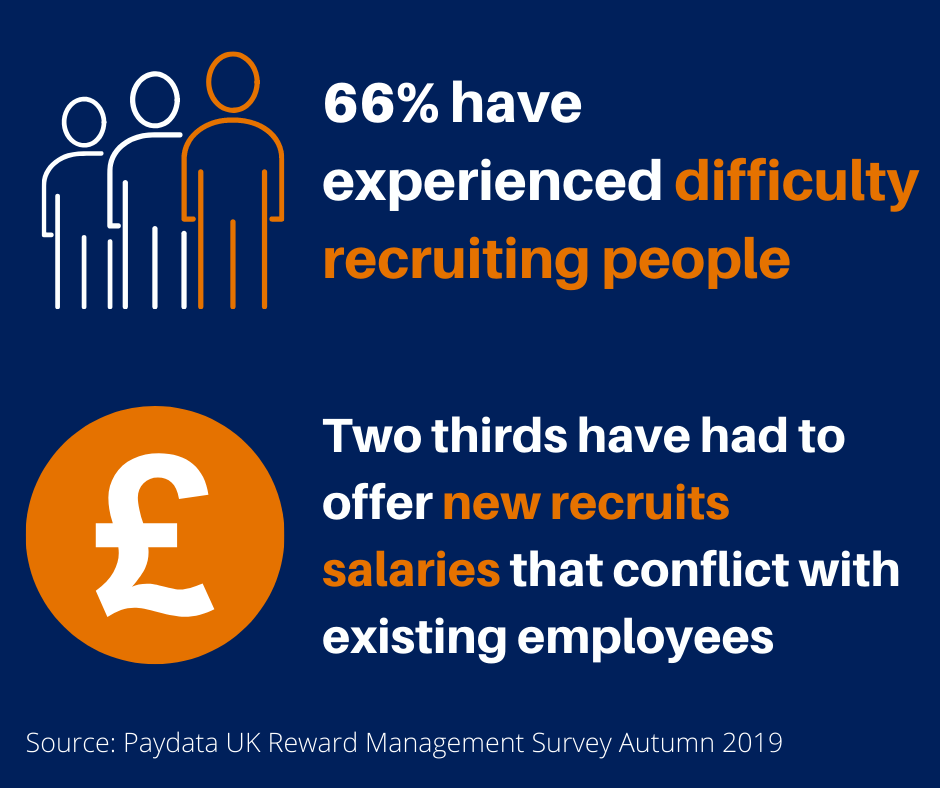
Offering competitive pay can also help overcome the recruitment challenges organisations are facing. According to Paydata’s autumn UK Reward Management Survey, 66 per cent have experienced, and 60 per cent expect to continue to have, difficulty in recruiting people. Ensuring that candidates are offered competitive packages attracts the right talent. In fact, two thirds of organisations have had to offer new recruits salaries that conflict with those paid to existing employees. This recruitment tool might overcome recruitment challenges in the short term, but if left unchecked, it is a practice that can impact retention levels if employees feel that they can access higher remuneration levels if they change jobs.
Effective job design enables companies to point to an objective basis upon which pay decisions are reached. In Sweden, equal pay audits are mandatory and the unions are pushing for these to be mandatory in the UK. Job evaluation is the starting point for this, as they ensure that all jobs are compared on a like for like basis. This framework is important in upholding fair pay and can give employers the confidence to make pay decisions transparent as there is an objective, organisation-wide basis upon which they are basing their decisions.
Job evaluation also makes salary benchmarking more accurate and straightforward. Just as it lays the groundwork for more accurate comparisons to draw on when doing an equal pay analysis, job grading can give a more accurate foundation when setting competitive pay, ensuring that each salary band can be compared based on the remit of each role and the responsibilities required.
The aim of the corporate governance initiatives is to promote an open and fair workplace where diversity of thought and opportunity is offered. On a day-to-day basis, HR teams need to ensure that they keep on top of their data and reduce the administrative burden that these exercises mean for them. However for many the shift in focus should start to be on proactive planning, to ensure that businesses go beyond meeting the mandatory reporting requirements. Stepping back and holistically evaluating current practices is part and parcel of delivering a robust and transparent reward system that is inclusive and transformative in its approach.
In the long term, Brexit may mean that there is less red tape around worker protection, but corporate governance measures that are currently being implemented such as the CEO pay ratio or those already in operation like gender pay reporting, are here to stay. Ethnicity pay gap reporting may require more processes to be put into place to accurately gather this information, as employees may not currently be required to provide this information. It is critical to ensure that inclusion is kept in mind when these reporting requirements are met and employers offer a supporting narrative about organisation-wide initiatives designed to combat discrimination and bias.
Managing Director
Date: 11 February 2026
Date: 11 December 2025
Date: 16 October 2025
Date: 11 March 2026
We are a leading source of UK salary data and provide the expertise, insights and tools to help HR professionals manage their pay and reward practices.
Paydata Ltd
24 Commerce Road
Lynchwood
Peterborough
Cambridgeshire
PE2 6LR
Be the first to hear about upcoming events and stay up to date with regular insights on pay and reward.
© Paydata Ltd 2026 All rights reserved | Registered in England no: 3632206 | VAT no: 728 0808 28
Site by i3MEDIA